

Researchers at ETH Zurich say they’ve built the world’s smallest light-emitting diodes — tiny “nano-OLEDs” so small that a hundred of them could fit across the width of a human cell.
The team says the technology could lead to ultra-high-resolution devices, and offer new tools for microscopy by illuminating extremely small areas with precision.
There may also be medical uses, including sensors capable of detecting signals from individual nerve cells.
The nano-OLEDs were created with a new manufacturing method using ultra-thin ceramic membranes.
 Swiss Post announce job cuts
 Autumn arrives in Switzerland
 Driver warning in Vaud
 Mixed results in school classrooms
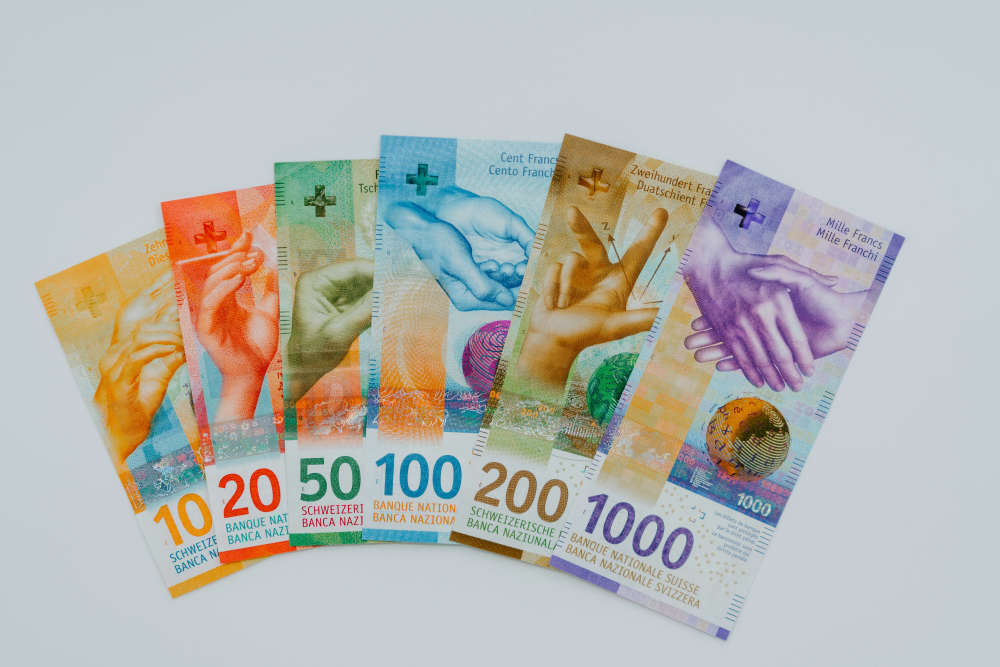 Good news for household bills
 Fuel reserves now in use

